

生于保加利亚的诺贝尔文学奖获得者埃利亚斯·卡内蒂是我看到的另 一个反面教材,他挑战死亡的方式与简的惶恐不安相比显得更加愚蠢。My second object lesson was the Bulgarian-born, Nobel-Prize winning writer, Elias Canetti, whose defiance of death was more foolish than Jean's dismay. 作为一个典型的中欧人,他遵循传统,一旦遇到不可理解之物就建立一套抽象思维体系来对付,但这种思维与很多英国人的想法并不相宜,结果是他过高估计了自己的想法,竟发表了整整两大本自己写的格言。He had a central European's respect for the construction of abstract systems of thought about the inexplicable, which is uncongenial to many English minds, and which caused him to overvalue his own notions to the extent of publishing two volumes of aphorisms. 应该承认,他写的很多格言都言简意赅,其中一些还谈得上有些见地,但总的来说,那是多么以自我为中心的浮夸之文啊! Many of the aphorisms were pithy and a few were witty, but as a whole what pompous self-importance! 读到最后,他的文字简直变成了胡说八道,重复内容随处可见,宣称自己“ 拒绝死亡”,终于让我忍无可忍。 The last straw was whe...
其为人也,发愤忘食,乐以忘忧,不知老之将至云尔!
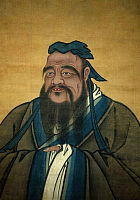 孔子 《论语》1
孔子 《论语》1思考死亡是为了活得更好。 阿图·葛文德 《最好的告别》0
阿图·葛文德 《最好的告别》0博学而笃志,切问而近思。孔子 《论语》1
孔子 《论语》1





 句子抄安卓版
 句子抄手机版
 句子抄公众号